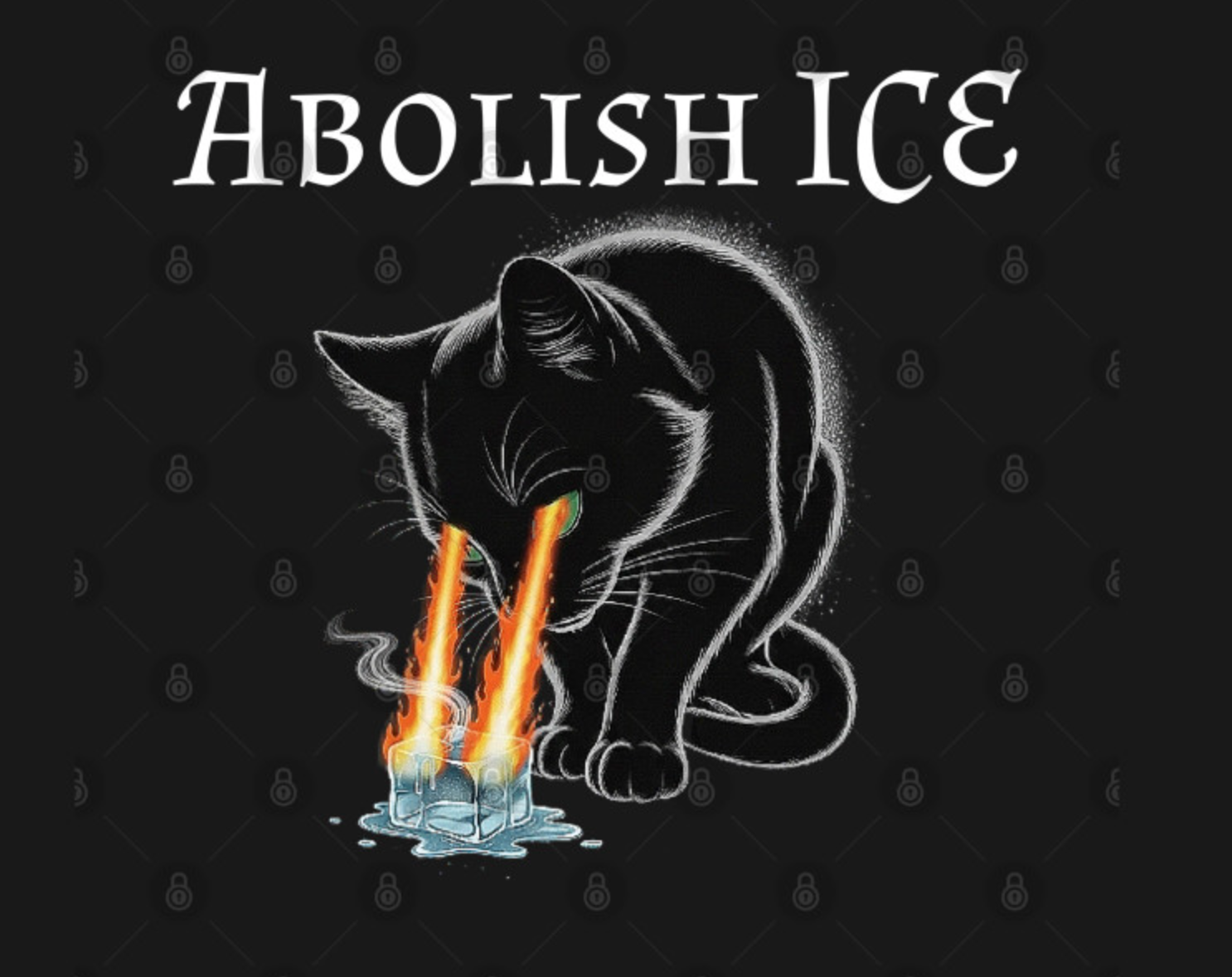
A wave of shocking Instagram posts is racing across feeds, pulling users in with scandal and weight loss claims before flipping the script into a blunt call to abolish ICE and pressure lawmakers on federal funding.
A viral tactic built on shock and surprise
The trend follows a simple but effective formula. A post opens with a dramatic line that looks like gossip or a personal reveal. Followers swipe expecting a confession. Instead, they land on slides urging them to oppose Immigration and Customs Enforcement and to contact their senators before a key vote on a Homeland Security appropriations bill.
The goal is direct political action, not clicks for fame. Posts often include phone scripts, email templates, and clear instructions on how to identify ICE vehicles in local communities. Many also urge followers to tell senators that future votes at the polls will hinge on how they vote on the funding bill.
The tactic has spread fast among celebrities, activists, and everyday users. It reflects a broader shift in online activism where attention grabbing hooks are used to break through crowded feeds and move people toward a single action.
Deaths in ICE encounters fuel the surge
The sudden rise of these posts comes after the killings of Alex Pretti and Renee Good during ICE related encounters. The deaths triggered protests and a sharp public debate over the agency’s use of force.
The Department of Homeland Security said Pretti, 37, approached officers with a 9 mm handgun and resisted efforts to disarm him. DHS stated that an agent fired after fearing for his life and the safety of others, and that medics attempted aid at the scene.
Video of the shooting, however, has fueled anger and doubt. In the footage, Pretti does not appear to be holding a gun at the moment he is shot. That gap between official statements and what the public sees on video has become the emotional core of the backlash.
Critics argue that this case mirrors long running concerns about transparency and accountability in federal law enforcement, especially when deadly force is involved.
Celebrities turn personal bait into political action
Reality television personalities have been among the most visible faces of the trend. Ariana Madix posted a photo of herself with the line, “The real reason I didn’t return to Bravo will shock you,” prompting thousands to swipe.
The next slides pivoted to Abolish ICE messaging. They cited past research alleging hundreds of sexual assault complaints against ICE and Border Patrol agents and claimed dozens of deaths in ICE custody in recent years. The post also highlighted conditions inside detention centers, including overcrowding and delayed medical care.
Madix’s post then moved to action. Followers were shown how to spot ICE vehicles and were given a script to call their senators opposing new funding. One line urged callers to say their tax dollars should not go toward harming innocent people and that the vote would shape their choice at the ballot box.
She credited activist and attorney Preston Mitchum for inspiring the post. Mitchum shared a similar swipe style message, opening with a personal teaser about reality TV nearly ruining his life before directing followers to the same campaign.
Influencers copy the format and widen the reach
The strategy has moved beyond television stars into influencer culture. Fitness, lifestyle, and business creators have adapted the same structure, using misleading first slides to pull in casual viewers.
Examples include claims like losing 25 pounds in weeks or making six figures from a single brand deal. Once viewers swipe, the message shifts to ICE criticism and step by step instructions on contacting lawmakers.
This blending of activism with influencer tactics has sparked debate. Supporters say it is one of the few ways to reach people who avoid political content. Critics argue it blurs ethical lines by using deception, even if the cause is justified.
Conservative voices question use of force
What sets this moment apart is that criticism has not come only from the left. Some conservative figures have also questioned the shooting of Pretti, especially in the context of gun rights.
A Virginia militia leader who has openly carried firearms at rallies for years said there was no meaningful difference between Pretti carrying a gun at a protest and others doing the same. He argued that constitutional rights do not change based on political views and said the killing appeared unjustified given the video evidence.
That argument has echoed across social media, where users point to past cases celebrated by conservatives and ask why lawful gun possession at protests is treated differently depending on who holds the weapon.
Political reactions deepen the divide
Media and political leaders have weighed in with sharply different takes. Fox News host Trey Gowdy said on air that many conservatives feel frustrated by the apparent double standard, noting that it is legal to carry a firearm in Minnesota and that Pretti did not brandish his weapon.
Former President Donald Trump defended ICE officers in a post on Truth Social. He described the weapon as loaded with extra magazines and questioned why local police were not present to protect ICE officers. He suggested officers were left to defend themselves in a dangerous situation.
The contrasting reactions underline how the case has become a proxy fight over guns, protest rights, and federal power.
Legal fight and scrutiny ahead
In Minnesota, state officials have moved to preserve evidence related to Pretti’s death. A lawsuit and temporary restraining order seek to prevent federal officials from destroying or altering materials tied to the shooting.
Governor Tim Walz said the federal government cannot be trusted to lead the investigation, signaling a deeper conflict between state leaders and federal agencies over oversight.
The legal battle ensures that the shooting, and the protests it sparked, will remain in the spotlight for months.
At the same time, criticism of ICE continues at demonstrations near agency operations across the country. Online campaigns show no sign of slowing, especially as the appropriations vote approaches.
The Instagram trend reflects a larger reality of modern activism. Attention is the currency, and shock is the hook. Whether the tactic leads to real policy change or simply more polarized debate remains uncertain. What is clear is that these posts have forced many Americans to confront questions about law enforcement, transparency, and how far influencers should go to spark political action.
As this debate unfolds, what do you think about using shock tactics to drive activism? Share your view, and pass this story along to friends who are trying to make sense of the noise flooding their feeds.