
Apple plans to keep its Liquid Glass design in iOS 27, even after months of user backlash and slow software adoption. The company unveiled the bold interface at its 2025 Worldwide Developers Conference, and despite harsh online criticism, it appears committed to the new look.
The decision signals that Apple sees Liquid Glass as central to its future software vision, not a short term experiment.
Apple Doubles Down on Liquid Glass in iOS 27
Apple introduced Liquid Glass in June 2025 at its annual Worldwide Developers Conference in California. The company described the new interface as more expressive and delightful while still feeling familiar to users.
Liquid Glass aims to mimic real world glass. Icons, menus, and panels appear translucent. Colors shift based on background content. The interface adapts smoothly between light and dark modes.
Alan Dye, Apple’s former vice president of Human Interface Design, called it intuitive and beautiful when unveiling the feature. He said it would lay the foundation for future experiences and make even simple interactions feel magical.
Despite that promise, reports now suggest Apple will not abandon Liquid Glass in iOS 27.
A recent industry newsletter from Bloomberg’s Mark Gurman stated that Apple still supports the design direction. Gurman wrote that the company remains committed to Liquid Glass and is unlikely to reverse course.
Apple appears ready to refine Liquid Glass rather than remove it.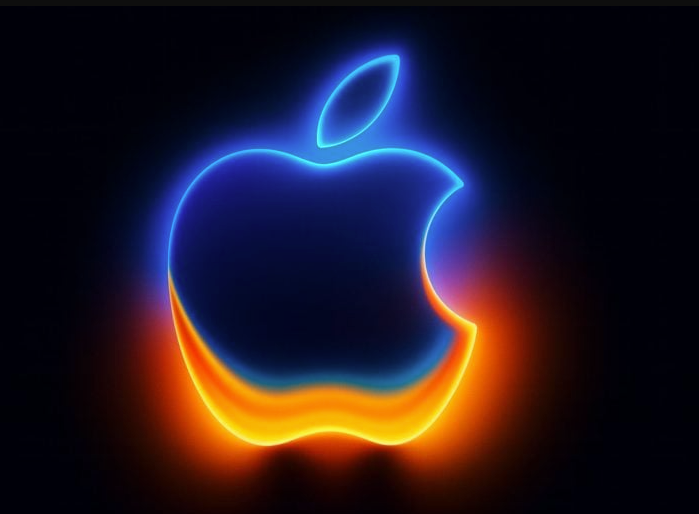
User Backlash and Performance Complaints Grow
The reaction from many users has been sharp.
After the launch of iOS 26, which included Liquid Glass and key security updates, some users delayed upgrading. Online forums such as Hacker News and Reddit saw thousands of comments criticizing performance and usability.
One widely upvoted comment described the experience as much worse than before. Others called it terrible and distracting.
Common complaints include:
Slower animations and lag when opening apps
Reduced battery life after updating
Visual clutter caused by heavy translucency
On Reddit’s Apple community, users expressed mixed feelings. Some said they did not mind the look but demanded better performance. Others said battery life had become unacceptable.
A few commenters argued that Apple may hesitate to roll back the design because it would signal failure. But many believe performance fixes could ease most of the anger.
Alan Dye Exit Fuels Speculation
Speculation about Liquid Glass intensified after Alan Dye left Apple in late 2025. He moved to Meta to work on consumer devices and artificial intelligence features.
Dye played a key role in Apple’s interface evolution. He helped shape the look of the Vision Pro headset and led the design of many core apps.
His departure led some analysts and users to assume that Apple might reconsider Liquid Glass. However, industry reporting suggests the design was not a one person decision.
Apple’s software design direction typically involves large teams across hardware, software, and engineering groups. While Dye influenced the visual language, the broader strategy appears intact.
That means iOS 27 is likely to refine the feature rather than scrap it.
Why Apple Is Betting on This Design Shift
Apple rarely reverses major design changes quickly. In the past, the company faced criticism over design shifts but stayed the course.
For example, when Apple moved from skeuomorphic design to flat design in iOS 7 in 2013, many users initially objected. Over time, the cleaner look became standard across the industry.
Liquid Glass represents a similar long term bet.
The design aligns with Apple’s push toward spatial computing, especially after launching the Vision Pro headset in 2024. Translucent layers and depth effects create a sense of space that connects iPhone software to augmented and mixed reality devices.
Below is a quick timeline of recent Apple interface shifts:
| Year | Software Version | Major Design Shift |
|---|---|---|
| 2013 | iOS 7 | Flat design replaces skeuomorphic style |
| 2024 | Vision Pro OS | Spatial, layered interface |
| 2025 | iOS 26 | Introduction of Liquid Glass |
| 2026 | iOS 27 | Expected refinements to Liquid Glass |
This pattern shows that Apple often builds gradually, not suddenly.
What iOS 27 Means for iPhone Users
iOS 27 is expected later this year. While Apple has not confirmed specific changes, users are watching closely for improvements in speed, stability, and battery performance.
For everyday iPhone users, the impact goes beyond visual style.
If performance issues continue, users may delay updates, which can expose devices to security risks. Apple regularly includes critical security patches in major software releases. Slow adoption could weaken overall device protection.
At the same time, smoother performance could restore confidence.
The real test for iOS 27 will not be how it looks, but how it runs.
If Apple delivers faster animations, better battery life, and fewer bugs, much of the criticism may fade. If problems remain, pressure could mount.
The debate over Liquid Glass shows how deeply people care about the tools they use every day. A smartphone is not just a device. It is a camera, a wallet, a workplace, and a social hub.
Apple now faces a clear challenge. Can it keep its bold design vision while fixing the real world frustrations users report?
The answer may shape how millions experience their iPhones in the years ahead. What do you think about Apple keeping Liquid Glass in iOS 27? Should the company stick to its vision or listen more closely to user complaints? Share your thoughts and pass this story along to friends on social media.

