In a bold move shaking up the action camera world, DJI has launched the Osmo Nano, a super-small detachable device that goes head-to-head with Insta360’s popular Go Ultra. This new gadget promises high-quality video in a pocket-sized package, sparking fresh rivalry between two tech giants from Shenzhen. But does it outshine the competition? Read on to find out the key differences and why creators are buzzing.
Key Features of the DJI Osmo Nano
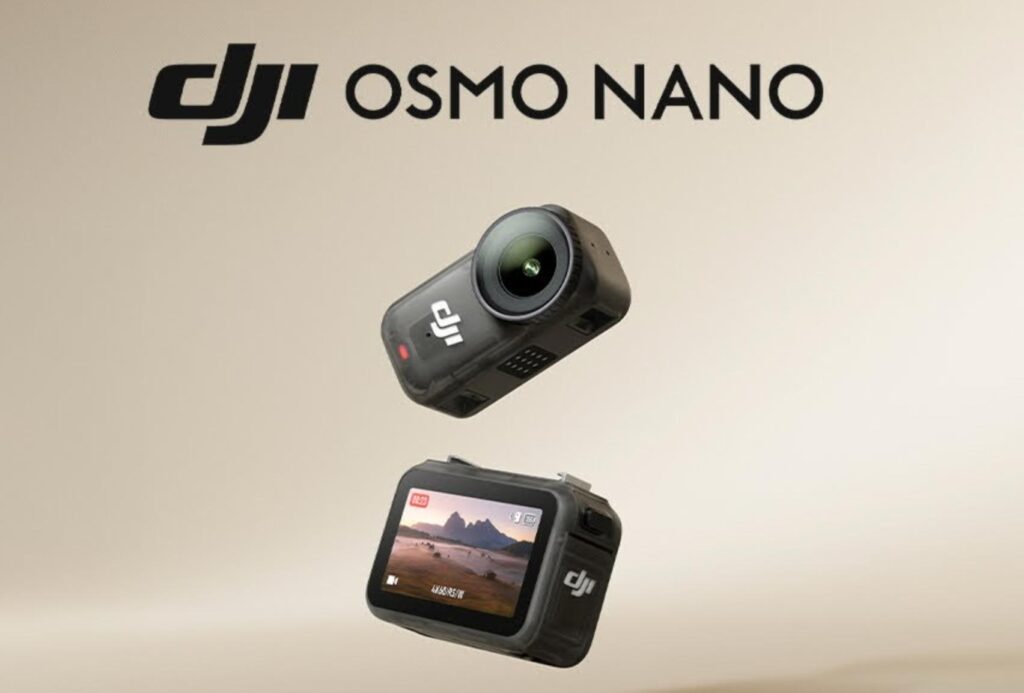
The DJI Osmo Nano stands out as a two-piece wonder. The camera detaches from its screen body, letting users mount it magnetically on metal surfaces for unique angles. This setup weighs just 53 grams when split, making it easy to carry anywhere.
It packs a 1/1.3-inch sensor, which is impressive for such a tiny device. Users can shoot 4K videos at 30 or 60 frames per second, with excellent stabilization that keeps footage smooth during action.
Battery life hits 90 minutes on a single charge for the detached camera. Add the 73-gram body, and the total package is 126 grams, perfect for slipping into a pocket.
The built-in mic captures clear audio in quieter spots, but DJI shines by working seamlessly with its popular Bluetooth microphones. Many creators already rely on these for pro-level sound.
How It Stacks Up Against Insta360 Go Ultra
Both cameras share a lot in common, like the 1/1.3-inch sensor and magnetic mounting for creative shots. They excel at placing the lens in spots a regular camera can’t reach, such as gym equipment or street lamps.
DJI’s Osmo Nano edges ahead with 10-bit LOG footage, giving editors more flexibility for color grading. Insta360’s Go Ultra, however, pulls ahead in speed by offering 120 frames per second at 2.7K resolution, ideal for slow-motion clips.
Audio is another battleground. While both have solid built-in mics, DJI integrates better with mainstream wireless options. Tests in busy cities like Hong Kong show external mics are often needed, but in calmer places like Berlin, the onboard audio holds up well.
Pricing plays a role too. The Osmo Nano costs $440, matching the premium feel, but it’s not available in the U.S. market yet.
Here’s a quick comparison table to break it down:
| Feature | DJI Osmo Nano | Insta360 Go Ultra |
|---|---|---|
| Sensor Size | 1/1.3-inch | 1/1.3-inch |
| Max Video Resolution | 4K 60fps | 4K 60fps (120fps at 2.7K) |
| Detached Weight | 53g | Similar lightweight |
| Special Perk | 10-bit LOG | Slow-motion boost |
| Battery (Detached) | 90 minutes | Comparable runtime |
This table highlights why choosing between them depends on your needs, like editing depth or frame rate flexibility.
The Growing Rivalry Between DJI and Insta360
DJI and Insta360 started in different lanes, with DJI ruling drones and Insta360 leading 360-degree cameras. Now, they’re crossing paths more often.
Recent months saw DJI enter the 360 camera space, while Insta360 rolled out a drone. The Osmo Nano marks DJI’s push into modular action cams, a category Insta360 pioneered five years ago with its Go series.
This competition drives innovation. Creators benefit from better tech at competitive prices. For example, the ability to detach and control remotely opens doors for vloggers and adventurers who want hands-free filming without bulky gear.
Industry watchers note that over 90% of tech YouTubers use DJI mics, giving the Osmo Nano a ready user base. Insta360 fights back with user-friendly features like AI editing in its app.
Why This Matters for Everyday Creators
These tiny cameras change how people capture moments. Imagine sticking one on a bike helmet for a first-person view of a ride, or on a fridge for fun family videos.
They appeal to beginners and pros alike. No need for tripods or complex setups; just snap it on and start recording. Footage shows vivid colors and steady shots, even in motion.
However, limitations exist. In loud environments, audio can struggle without extras. Battery life suits short sessions but might need recharges for all-day use.
As more people dive into content creation, devices like the Osmo Nano make it accessible. They lower barriers, letting anyone produce polished videos without spending a fortune on gear.
The launch timing is spot on. With social media demanding quick, eye-catching content, these cameras fit right in. Users report using them at gyms or during travels for angles that wow viewers.
In the end, the DJI Osmo Nano proves that small packages can deliver big results, standing tall against Insta360’s Go Ultra while pushing both companies to innovate further. This rivalry could lead to even better tools for creators everywhere, making high-quality filming more fun and reachable. What do you think, is the Osmo Nano a game-changer or just another option? Share your thoughts and pass this article along to your friends on social media.