Microsoft’s Azure cloud service faced major disruptions this weekend after several undersea cables in the Red Sea were severed, slowing down internet traffic for millions of users worldwide. This unexpected event highlights the fragile nature of global connectivity, leaving businesses and individuals scrambling for answers. What caused the cuts, and how long will the fallout last?
What Sparked the Azure Outage
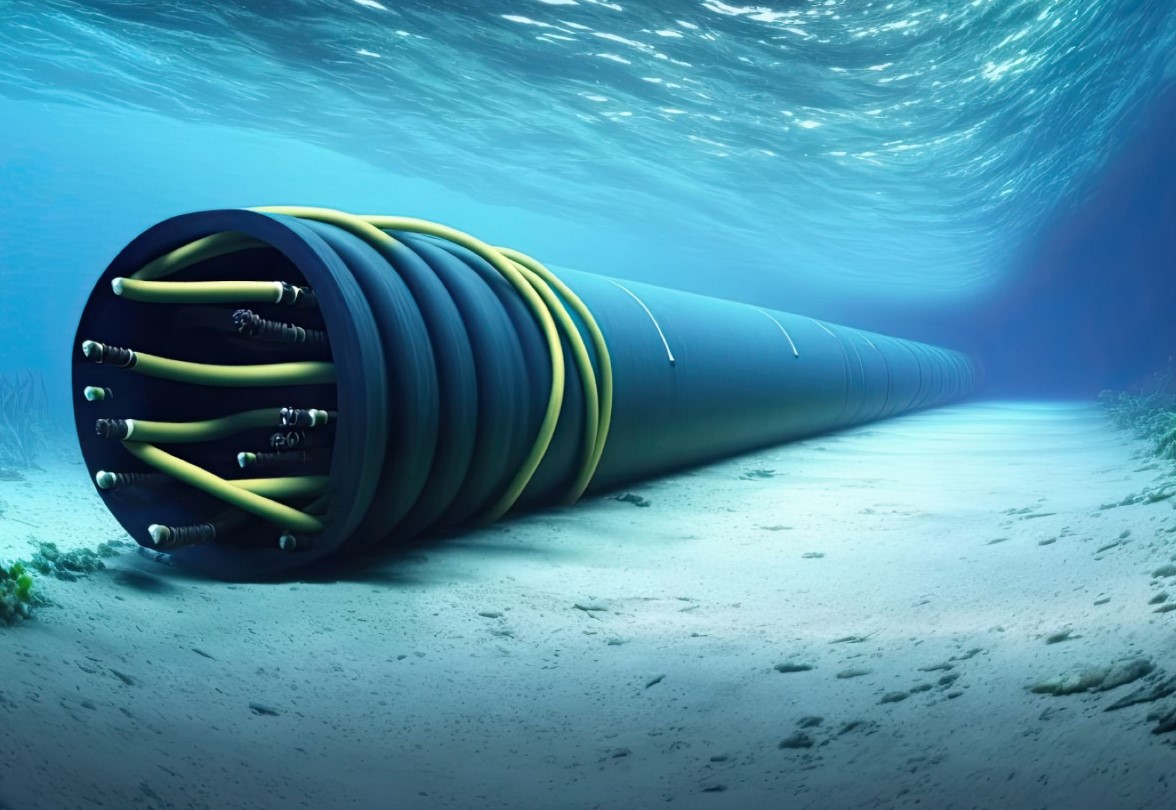
The trouble began early Saturday morning around 1:45 a.m. ET, when Microsoft detected issues with its Azure platform. The company quickly linked the problems to multiple international subsea cables damaged in the Red Sea. These cables carry huge amounts of data between Asia, Europe, and the Middle East.
Microsoft did not reveal who or what cut the cables, but the impact was immediate. Traffic passing through the region saw higher latency, meaning slower load times and delays in services.
Engineers at Microsoft jumped into action, rerouting data through other paths to keep things running. Still, users in affected areas noticed the slowdown right away.
This is not the first time Red Sea cables have caused headaches. Similar cuts have happened before, often tied to regional tensions or accidents, disrupting global internet flow.
How Users and Businesses Felt the Hit
Azure serves around 722 million users globally, making it a key player in cloud computing next to rivals like Amazon Web Services. With availability in over 60 regions, any glitch ripples out fast.
Businesses relying on Azure for storage, apps, and data processing reported delays in operations. For example, companies in Europe and Asia dealing with Middle East traffic faced the worst of it.
Individuals using Microsoft products tied to Azure, like Office 365 or gaming services, might have seen minor hiccups, though the company said other services stayed normal.
The disruption started on September 6, 2025, and by evening, Microsoft claimed no ongoing issues on its status page. But without full repairs, some latency could linger.
- Affected Regions: Mainly traffic between Asia, Europe, and the Middle East.
- User Impact: Increased wait times for cloud-based tasks, potential slowdowns in apps and websites.
- Business Toll: Delays in data transfers could cost companies time and money, especially in e-commerce and finance.
One user on social media described it as “a sudden lag that threw off my whole workday.” Such stories show how these events touch everyday lives.
Microsoft’s Quick Response and Fixes
Microsoft’s team worked non-stop to manage the fallout. They used backup routes and diverse network options to ease the strain.
The company promised daily updates or sooner if things change, showing a focus on transparency. By 6:30 p.m. ET Saturday, the status site reported all clear, but cable repairs could take time.
This incident echoes Microsoft’s push into undersea tech. Back in 2020, they studied underwater data centers, finding them reliable against issues like corrosion and temperature swings.
Experts say rerouting helps short-term, but full fixes depend on cable owners and repair ships. Microsoft has not shared a timeline yet.
In a table of recent cable incidents:
| Year | Location | Impact |
|---|---|---|
| 2024 | Red Sea | 25% data traffic between Asia and Europe affected |
| 2025 | Red Sea | Azure latency issues for global users |
These events underline the need for stronger backups in global networks.
The Bigger Picture of Global Cable Risks
Subsea cables form the backbone of the internet, carrying nearly all intercontinental data. Tech giants like Microsoft and Meta invest heavily in them to grow their reach.
The Red Sea route is vital, with over 15 cables handling massive traffic. Cuts here, whether from anchors, quakes, or conflicts, can disrupt 25% of Asia-Europe data, as seen in past reports.
This latest cut comes amid ongoing tensions in the area, though no cause was confirmed. It raises questions about infrastructure safety in hotspots.
Looking ahead, companies are exploring alternatives like satellite links or more land-based routes to avoid such risks.
Experts warn that as reliance on cloud services grows, these vulnerabilities could lead to bigger problems. One study from 2020 by Microsoft showed undersea setups might offer solutions, but building them takes years.
This event affects everyone from small businesses to global firms, potentially slowing economic activities tied to fast data.
In the end, the Red Sea cable cuts exposed the weak spots in our connected world, reminding us how a single disruption can echo across continents. Microsoft’s Azure bounced back quickly, but it sparks bigger talks on building tougher global networks. What do you think about the risks of relying on undersea cables for our daily internet needs? Share your thoughts and pass this article along to your friends on social media. With #RedSeaCables trending on X right now, join the conversation and tag your posts to spread the word.