A massive earthquake rocked Russia’s remote Kamchatka Peninsula early Saturday, shaking the ground with a force that rattled nerves across the region. But relief came quickly as experts confirmed no tsunami risk, leaving residents to assess any damage in this volatile seismic zone. What caused this powerful tremor, and what does it mean for the future?
The Earthquake Strikes Without Warning
The quake hit just off the east coast of Kamchatka, a rugged area in Russia’s Far East known for its volcanoes and wild landscapes. It struck at around 2:37 UTC on September 13, 2025, according to the United States Geological Survey. The agency measured it at magnitude 7.4, with the epicenter about 100 kilometers east of Petropavlovsk-Kamchatsky, the region’s main city.
This was no small shake; at 7.4 magnitude, it packs enough power to cause serious structural damage in populated areas. The depth came in at 39.5 kilometers, which is fairly shallow for earthquakes and can lead to stronger surface shaking.
Initial reports from locals described intense rumbling that lasted for nearly a minute. Buildings swayed, and some people rushed outside in panic. No immediate injuries or major destruction were reported, but officials urged caution as aftershocks could follow.
The German Research Centre for Geosciences pegged the magnitude slightly lower at 7.1, with a depth of just 10 kilometers. These differences highlight how scientists use various tools to analyze quakes, but all agree on the location and timing.
Initial Tsunami Fears Quickly Eased
Right after the quake, alarms went off about a possible tsunami. The U.S. National Weather Service’s Pacific Tsunami Warning Center in Hawaii issued an early alert, warning of potential waves up to one meter high along Russia’s coast.
Teams monitored the situation closely, using data from buoys and sensors across the Pacific. Within hours, they lifted the warning. Based on all available data, there is no tsunami threat, the center stated, bringing a sigh of relief to coastal communities.
In Japan, which sits southwest of Kamchatka, the Meteorological Agency kept a close eye but issued no warnings. Broadcaster NHK reported that the quake was felt in northern parts of the country, but no action was needed.
This quick response shows how far tsunami detection has come. Systems like NOAA’s DART buoys can spot wave changes in minutes, helping avoid false alarms that could cause unnecessary evacuations.
Why the initial scare? Strong quakes under the ocean often displace water, creating waves. But in this case, the quake’s specifics depth and location meant the energy didn’t trigger a big surge.
Impact on Kamchatka’s Remote Communities
Kamchatka is home to about 300,000 people, many in isolated spots where fishing and tourism keep the economy going. The quake’s epicenter was offshore, which likely spared the worst effects on land.
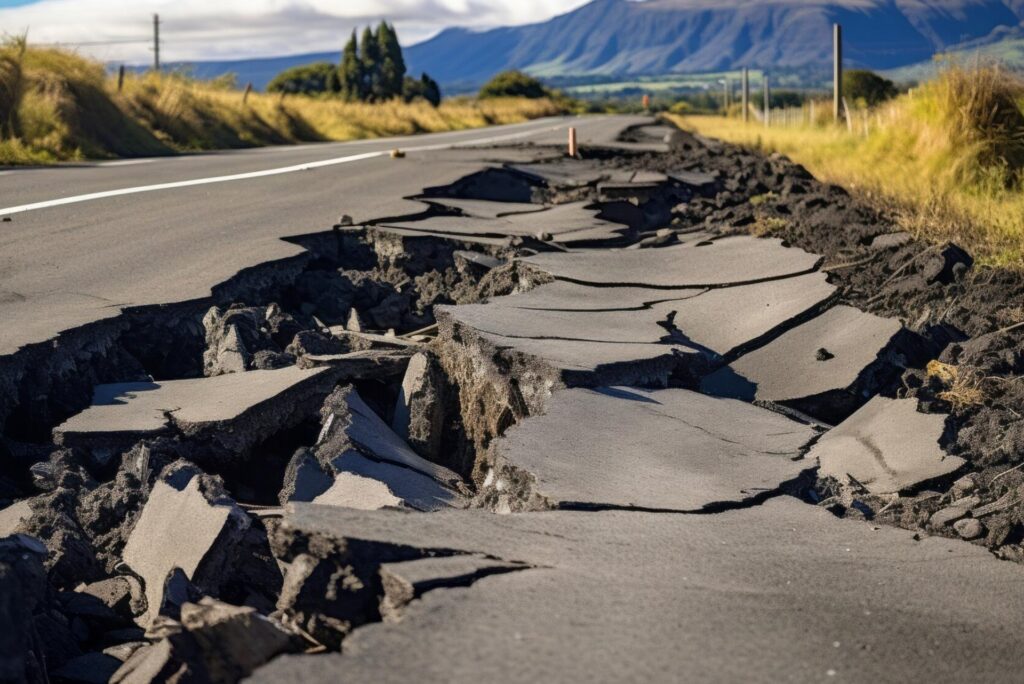
Local authorities in Petropavlovsk-Kamchatsky reported minor issues like cracked roads and fallen shelves in stores. Power stayed on, and no hospitals called for help. Governor Vladimir Solodov said teams were checking key spots, including military bases in the area.
This region sits on the Ring of Fire, a hotbed for earthquakes and volcanoes. Just weeks ago, in July 2025, an even bigger 8.8 magnitude quake hit nearby, causing evacuations and some damage. That one did spark small tsunamis, up to four meters in spots.
Residents here are used to tremors. A 2024 study by the Russian Academy of Sciences found that Kamchatka sees over 1,000 quakes a year, most too small to notice. But big ones like this remind everyone to stay prepared.
Here’s a quick look at recent major quakes in the area:
- July 2025: Magnitude 8.8, led to evacuations and minor tsunamis.
- August 2024: Magnitude 7.2, prompted brief tsunami alerts.
- 1952: A deadly 9.0 quake that reshaped coastlines.
These events highlight the ongoing risks. Experts say better building codes have cut down on casualties over time.
Historical Context and Future Risks
Kamchatka’s spot on the Pacific Plate makes it prone to these shakes. The peninsula has over 160 volcanoes, 29 active, which tie into the seismic activity. Earthquakes often trigger eruptions, like the recent ones at Shiveluch Volcano.
A 2023 report from the U.S. Geological Survey noted that quakes above magnitude 7 happen here every few years. They analyzed data from 1900 to 2022, showing a pattern of increasing frequency due to plate movements.
What does this mean for locals? It pushes the need for strong emergency plans. Schools teach quake drills, and apps alert phones seconds before shaking starts.
Globally, this quake adds to talks on climate and seismic links. Some scientists, in a 2024 Nature study, suggest warming oceans might influence fault lines, though more research is needed.
For now, aftershocks remain a worry. Smaller tremors have already hit, and experts predict more in the coming days.
| Recent Kamchatka Quakes | Magnitude | Date | Key Impacts |
|---|---|---|---|
| East Coast Tremor | 8.8 | July 2025 | Evacuations, small tsunamis |
| Offshore Shake | 7.2 | August 2024 | Brief alerts, no damage |
| Historic Monster | 9.0 | November 1952 | Widespread destruction, tsunamis |
This table shows how the latest event fits into a long history.
As the dust settles on this 7.4 magnitude earthquake off Russia’s Kamchatka coast, the big takeaway is resilience in the face of nature’s power. No lives lost, no massive waves, but a stark reminder that our planet can shift in an instant. It affects everyone from local fishers to global scientists watching these patterns. What do you think about living in such active zones? Share your thoughts and spread this story with friends on social media. This topic is buzzing on X with hashtags like #Earthquake and #Kamchatka trending right now, so join the conversation and tag your posts to keep the discussion going.