Fans finally have their first real look at the final chapter of the WandaVision television trilogy. After a surprising set leak late this summer, Marvel Television unveiled the VisionQuest logo and exclusive footage at New York Comic Con. With a confirmed 2026 premiere on Disney+, the highly anticipated series promises to resolve the lingering mystery of White Vision while bringing back some of the most recognizable synthetic characters in the franchise.
From a Leaked Crew Shirt to a Comic Con Debut
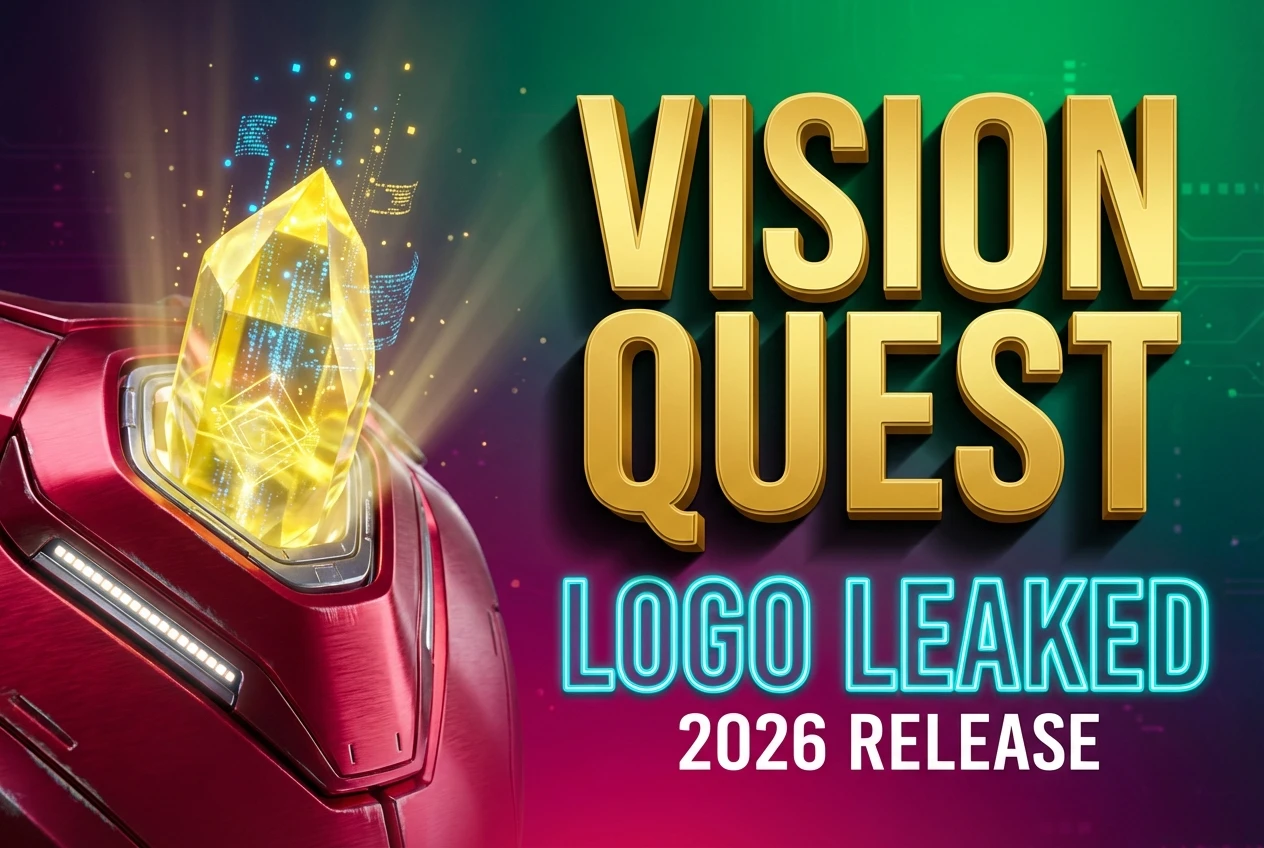
On August 31, an accidental photograph from a neighboring production set broke the internet for superhero fans. A crew member working in London was spotted wearing a production shirt displaying a bold and futuristic title design for the secretive Marvel project. The image surfaced online just days after principal photography concluded under the working title Tin Man.
Marvel Studios stayed quiet about the leak for several weeks. That changed during a convention panel in October.
Executives took the stage at the New York Comic Con presentation to formally announce the project to attendees. The studio confirmed the title as a single word and showcased a short teaser trailer that remains exclusive to the audience in the room. This public confirmation marks a significant milestone for a project that has been quietly developing since late 2022.
The audience reactions to the official presentation for the 2026 streaming slate painted a clear picture of the excitement. Fans have waited four years to see what happened to the character after he flew away in the 2021 series finale, and the studio appears ready to deliver.
Here is a detailed breakdown of the convention announcement:
New Leadership and the Return of Ultron
Jac Schaeffer originally developed the spin-off back in 2022 before leaving to focus on Agatha All Along, but the creative direction took a sharp turn in May 2024. Marvel hired Terry Matalas to take over the project as the primary showrunner. Matalas brought a fresh perspective to the production, having just finished an acclaimed run on a rival science fiction franchise.
It was from his amazing work on Picard Season 3. I said: This is incredible. I don’t know how this exists. Let me find the person who made this.
This leadership change paved the way for some major casting surprises. James Spader is officially reprising his iconic villain role as Ultron, a character last seen in the 2015 Avengers sequel. Reports indicate that both Spader and lead actor Paul Bettany will appear in both human and synthetic forms throughout the show.
The artificial intelligence theme runs deep in the casting sheet. Fans can expect live-action performances from Orla Brady and Emily Hampshire, who are stepping into the roles of familiar Stark systems like F.R.I.D.A.Y. and E.D.I.T.H. This unique approach to portraying computer systems adds an entirely new dynamic to the narrative.
The Final Chapter of a Television Trilogy
Eight episodes stand between fans and the conclusion of a story arc that captured 7.3 billion viewing minutes during its debut year. Marvel Television head Brad Winderbaum confirmed at the convention that this upcoming release serves as the definitive end to the television trilogy.
The plot centers entirely on White Vision attempting to rebuild his life. He possesses the memories of the original synthetic Avenger, thanks to the events of the WandaVision finale, but he lacks the emotional weight behind those memories. Bettany explained during the panel that his character struggles to actually feel the emotions attached to his past experiences.
The production team has outlined several core elements for the show:
- A deep exploration of artificial intelligence and what it means to be human.
- The persistent threat of a rebuilt Ultron complicating the hero’s journey.
- A direct continuation of the magical and technological conflicts from previous phases.
- Potential connections to the upcoming Doomsday and Secret Wars theatrical films.
These eight episodes closing out the trilogy represent a unique storytelling experiment for the studio. Instead of endless standalone seasons, they have crafted a three-part narrative spread across five years.
| Trilogy Installment | Release Year | Core Theme |
|---|---|---|
| WandaVision | 2021 | Grief and Denial |
| Agatha All Along | 2024 | Power and Consequence |
| VisionQuest | 2026 | Identity and Humanity |
High Stakes for the Streaming Slate
Producing a high-end science fiction series requires serious financial backing, and the parent company is not holding back. Disney recently outlined a budget exceeding $24 billion for fiscal 2026. According to company executives, this vast capital pool is split evenly between sports and entertainment properties.
The streaming platform closed out the fourth quarter of 2025 with a reported global subscriber base of 131.6 million. More importantly, the direct-to-consumer segment posted a profit of $352 million, a stark turnaround from the $147 million loss reported in the prior year. This means shows like this are now responsible for increasing their direct-to-consumer profit margins rather than just acquiring new sign-ups.
This financial reality coincides with a shift in how the company measures success. Starting after the third quarter of fiscal 2025, Disney will stop reporting quarterly paid-subscriber numbers, focusing entirely on profitability metrics. Every new series needs to pull its weight, making a character-driven project with established stars a smart bet for the platform.
The four-year gap between appearances has only fueled curiosity about where the synthetic hero fits into a changing universe. Whether you are a dedicated comic reader analyzing every frame or just someone who enjoys a good science fiction mystery, the upcoming #VisionQuest premiere feels like a pivotal moment for the future of #MarvelStudios television production.