We have all hit send and felt an immediate wave of panic. Whether it was a glaring typo sent to your boss or a private text mistakenly dropped into a family chat, the damage was done the second it left your device. That permanent anxiety might soon be a thing of the past. A new beta leak reveals that the most popular messaging app on the planet is actively testing the ability to unsend and modify your messages.
The End of Typo Regret in Group Chats
The latest hidden tools were found deep inside an Apple software build. Independent feature tracker WABetaInfo discovered these upcoming changes while digging through the code of a recent test release. According to the leak, the spotted in iOS beta version 2.17.1.869 update contains the foundation for a total overhaul of how we manage our chat histories. Until now, once a double tick appeared next to your text, you had zero control over where that information went.
This upcoming revoke tool operates on a completely new level for the platform. It does not just hide the text on your own screen to make you feel better. When you trigger the recall function, it actively deletes the content from the physical phone of the person who received it. The most surprising part of the leak is that this deletion works even after the recipient reads it, pulling the text back from both individual conversations and crowded group chats.
Based on the developer testing environment, users will be able to perform several actions that were previously impossible:
- Erase mistaken texts from a single private conversation
- Pull back embarrassing content sent to large group chats
- Delete media and words after they have been viewed
- Fix simple spelling mistakes without sending a second text
The mechanics of deleting something from another person’s device require complex background syncing. Because the application uses end-to-end encryption based on the Signal protocol, any request to delete a message must be securely transmitted and verified by the receiving phone. This ensures that only the original sender has the authority to wipe their own text from the chat log.
A Quiet Shift for Over a Billion Users
With an estimated 1.2 billion monthly active users worldwide, any minor interface change to this platform impacts a huge portion of the global population. Competitors like Telegram and Signal have offered similar message editing capabilities for a while, giving them a distinct advantage among privacy-conscious users. By adopting these exact features, the platform is closing the gap with its rivals and retaining users who might otherwise switch to a more flexible service.
WhatsApp beta for iOS 2.17.1.869: it has the possibility to revoke messages.
Since Facebook bought the company for $19 billion back in 2014, the development team has slowly integrated more robust tools while trying to maintain the app’s famous simplicity. Adding a way to claw back sent data represents a fundamental shift in how the platform handles message privacy and user control. You are no longer just sending a digital letter; you are managing a live, editable document that can be altered after delivery.
| Feature Capability | Current Public Release | Leaked Beta Build |
|---|---|---|
| Sent Mistakes | Permanent on recipient phone | Can be fully revoked |
| Typo Correction | Requires sending a new text | Editable after delivery |
| Status Updates | Basic text broadcast | Includes view counters |
The independent tracker account noted that the feature works reliably in testing environments. When you revoke a message, it is completely wiped from the storage of everyone involved in that specific conversation. This eliminates the need to follow up a bad text with an apology or an explanation, provided you catch the mistake fast enough.
Fixing Your Mistakes Before They Last
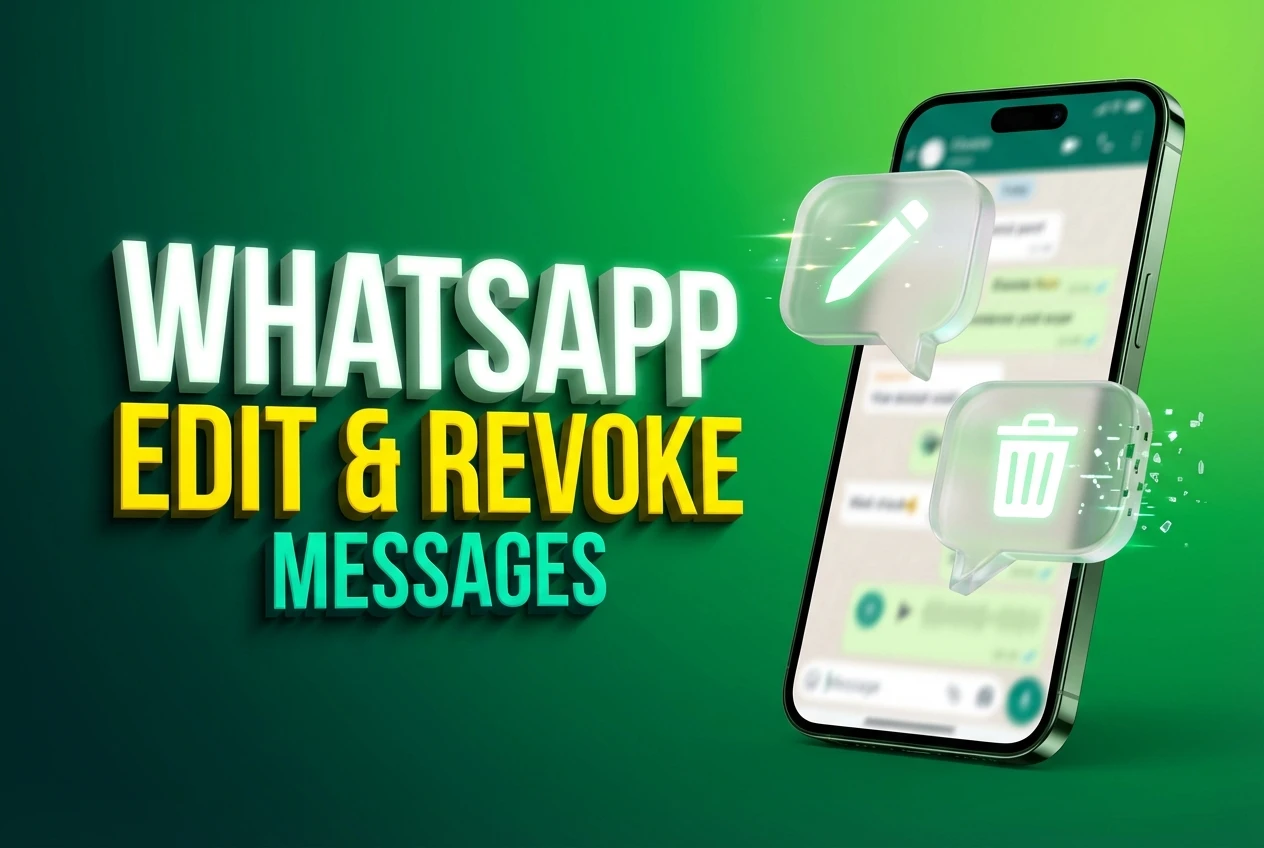
Alongside the deletion tool, the developers are building a dedicated edit button. This function is currently disabled by default in the beta software, meaning only those who know how to manipulate the code can actively test it. However, screenshots from the leak show a clear image of Edit and Revoke options sitting side by side in the pop-up menu that appears when you long-press a chat bubble.
The ability to tweak a sentence after the fact brings up interesting questions about digital arguments. If you can change what you said five minutes ago, proving a point becomes much harder. It remains unclear if the interface will display a small tag to indicate that a chat bubble has been altered, which is a common practice on other platforms to prevent gaslighting and confusion.
Beyond the chat screen, the team is also working to enhance the Status feature. Leaks indicate that users will soon be able to view a numerical list of friends who have seen their status updates. Furthermore, you will have the ability to delete status updates if you decide you no longer want them visible to your contact list.
When Will These Tools Hit Your Phone?
The timeline for a public launch remains a closely guarded secret. The engineering team has a long-established habit of testing new capabilities in closed betas for months before pushing them to the App Store and Google Play. Because deleting content from a remote device carries heavy technical challenges, they need to ensure the protocol works flawlessly across different network speeds and operating system versions.
- Beta testers usually get access weeks before the general public
- Features can change dramatically during the testing phase
- Some leaked tools are ultimately scrapped before release
If you are running the standard public version of the app on your iPhone or Android right now, you will just have to wait. There is no official sign-up sheet to jump into this specific test pool, as the features are hidden deep within the software architecture.
Giving people the power to fix their digital mistakes represents a huge step forward for modern conversations. It acknowledges that human communication is messy, impulsive, and prone to error. Whether you are waiting to finally correct those embarrassing typos or you just want tighter control over your personal data, the next major #WhatsApp update could permanently change how we handle our daily #DigitalCommunication.